


The Maasai Mara national reserve in Kenya stands as a premier African safari destination, offering a unique blend of natural wonders and rich cultural heritage. From the spectacular landscape of the Great Rift Valley and Mara river to the Great Wildebeest Migration and the Maasai people. Visitors can encounter the Big Five mammals which include lion, leopard, rhino, buffaloe and elephant. The abundance of resident wildlife includes over 500 species of birds in both public reserve areas and exclusive private and community conservancies.
Sectors of Maasai Mara
Spanning 1,510 Sq. km, the reserve borders Serengeti national park to the south. Together, the protected areas form the greater Mara-Serengeti Ecosystem famous for harbouring the great wildebeest migration. Maasai Mara national reserve alone is divided into public reserve areas and several private conservancies as explained below:-
The main reserve
Managed by Kenya Wildlife Service (KWS), the main reserve is divided into 3 sectors which include Musiara, Mara Triangle, and Sekanani. These areas are open to the general public and tend to receive a relatively higher visitor traffic.
Mara Triangle
Spanning 510 Sq. km, almost one third of the reserve, Mara Triangle borders Mara river to the east, Oloololo escarpment to the northwest and Serengeti frontier to the southwest. The landscape is characterized by dense riverine forests consisting of yellow-bark acacia and fig trees; rolling red oat grassland plains, and volcanic hills. Mara triangle is a must-visit gem for a keen photographer.
Gateway of the wildebeest migration
Being on the border with Serengeti national park, Mara Triangle serves as the main entry and exit point for wildebeest migration. The sector offers a unique vantage point to witness the river’s spectacular “return” crossings as the herds trek back south. After crossing Mara river in Kogatende region in Serengeti, the herds arrive there to rest which offers intimate viewing opportunities.
Managed by Mara Conservancy, a non profit-organization established in 2001 to ensure sustainable tourism practices, Mara Triangle is a model for sustainable low impact tourism. The conservancy ensures that wildlife thrives undisturbed through strict visitor number regulation. Mara Triangle is one of the best places in East Africa to spot Big Five mammals including the elusive black rhinos. Among other unique species include cheetahs.
Visitors can participate in unique activities which include guided walking safaris to tracking wildlife on foot; night game drives where spotlightlights are used to spot the Mara’s mysterious nocturnal wildlife including porcupines, civets, and predator hunting. There are only two permanent lodges within the sector which include Mara Serena Safari Lodge and Little Governors’ Camp. Among other accommodation are found on the edges. The sector is ideal for those intending to witness the wildebeest migration. Maasai Mara wildebeest migration safari is available for booking through a tour operator.
Musiara sector
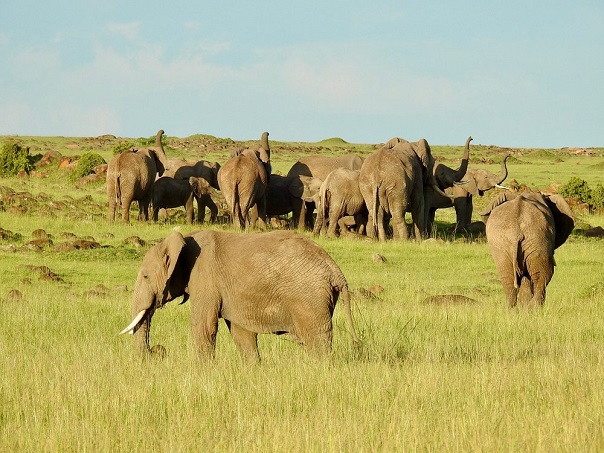
Tucked in the northwestern corner on the east banks of Mara river, Musiara sector encampasses the vast open Paradise Plains and the lush Musiara marsh. The sector is a major for a focal point for wildlife viewing. The area ecosystem is famous for harboring the largest concentration of wildlife in the entire reserve. From the large herds of elephants and buffaloes to predators including cheetahs, leopards, and the Marsh pride of lions.
The sector serves as the primary grazing ground where herds spread out for grazing around the marshes. Following a short period of rest in Mara Triangle, the herds cross the Mara river toreach Musiara marshes for grazing. The Musiara marsh offers a vantage point for wildlife viewing in addition to hot air balloon safaris. The sector offers a wide range of accommodation including budget, mid-range and luxury lodges. As such, the sector tends to attract high traffic of visitors during the peak season.
Sekanani sector
Serving as the primary eastern entrance gate to Maasai Mara national reserve, Sekanani is the most convenient for those traveling from Nairobi capital city. The sector is ideal for short 2-3 days Maasai Mara safaris. The nature of terrain is defined by spectacular rugged rolling hills and dense woodland savanna than the western plains.
The landscape is sustained by a seasonal Sekanani sand river which curves through the sector and provides water for wildlife. Along these drainage lines, you will find thickets of African wild sage known as the Leleshwa forest, dense Croton bushes, and iconic Umbrella Thorn acacias. Being a popular hub, the sector receives a higher visitor traffic especially during the peak season. However, rich biodiversity ensures exceptional wildlife encounters including lions, leopards, and spotted hyenas in the central plains and wooded fringes. The varied vegetation also supports both browsers and grazers, including giraffes, elephants, buffaloes, and zebras.
Leleshwa forest reserve is an Important Bird Area. And a habitat for rare forest bird species including endemic Sharpe’s Longclaw. After the sunset, the forest comes alive with nocturnal species such as bush babies and elusive genet cats. In addition to wildlife, Sekanani sector borders several Maasai villages. Visitors can undertake cultural tours to learn about their ancient traditions and harmonious relationship with the land. Sekanani is the ideal choice for those on a shorter 2-3 day safari being closer to Nairobi capital city.
The private and community conservancies
The concessions surrounding the main reserve serve as conservation buffer zones and include Mara North, Naboisho, Olare Motorogi, Olderkesi, Lemek, and Ol Kinyei conservancies. These areas strictly regulate land use activities and visitor numbers and offer exclusive tourism experiences unavailable in the main reserve including guided walking safaris, night game drives, and off-tracking. Visitors can benefit from secluded sightings and up-close wildlife encounters.
Best time to visit
The best season to visit Maasai Mara is the dry season from July to October. During these months, the wildebeest migration enters the reserve across from Serengeti and congregates in the Mara Triangle and Musiara sectors for grazing. Mara and Talek rivers become vantage points for witnessing river crossings and predator-prey interaction. The dry season means that vegetation thins out and water sources dwindle, forcing elephants and buffaloes to congregate around rivers and waterholes. During peak season, the national reserve can become busy; however, the private conservancies remain secluded for an exclusive experience. Many visitors combine a Maasai Mara safari with time on Kenya’s Indian Ocean coast. See our guide to the best beaches in Kenya to plan your post-safari beach escape.
The short dry season between January and February offers an opportunity to see newborn wildlife as wildebeest, topi, and zebras give birth. In turn, these attract predators, with sightings of lions, leopards, and cheetahs, and African wild dogs common. Visitor traffic is relatively low.
The rainy season, with heavy rains from April to May and short rains from November and December, transforms the Maasai Mara landscape into emerald green with blooming of wildflowers, making for a must-see for a keen photographer. Due to heavy rains, roads can be challenging to navigate. Opting for fly-in safaris ensures that you reach your destination comfortably. Palearctic migratory bird species from Europe and North Africa arrive in the reserve, with Leleshwa Forest Reserve attracting species like the Pallid Harrier (Circus macrourus). This is the best time for bird watching in Maasai Mara. The rainy season also offers value for safaris due to low-season rates.
Where to stay
Maasai Mara national reserve offers a wide range of accommodation in each sector ranging from budget to ultra-luxury camps and lodges.
AA Lodge
Situated 4 km from Sekanani entry gate, AA lodge offers mid-range hotel-style accommodation in a mix of 42 classic cottages and 36 safari tents. The rooms are spacious with en-suite bathrooms and 24-hour hydro- electricity. The lodge is ideal for groups and those intending to visit Maasai Mara on shorter itineraries arriving from Nairobi capital city. Dining is done in the central hall where a buffet style service allows guests to serve themselves from a wide range of foods available. AA lodge has a swimming pool and bonfire entertainment.
Governors’ Il Moran Camp
A premier boutique luxury camp, Governors’ II Moran camp tucked under a canopy of riverine forest is ideal for honeymooners and those intending to enjoy seclusion. The 10 spacious tents each with king-sized beds, en-suite bathrooms and sunken bathtubs offer comfortability in the wild. The dining area at Il Moran Camp is on a raised wooden deck overlooking the river, where you can often watch hippos while you eat. The camp is famous for complimentary traditional afternoon teas. The camp is well positioned on the banks of Mara river and offers a vantage point for witnessing wildebeest migration crossing of Mara river in Musiara sector. Guests staying at the camp can enjoy hot air balloon safaris, Maasai cultural tours, and game drives to Musiara marsh for lion sightings.
Mara Serena Safari Lodge
Located in the heart of Mara Triangle on top of a hill, Mara Serena Safari Lodge offers spectacular views and a vantage point to witness the wildebeest crossing of the Mara river. The lodge is one of the largest and well established with 74 guest rooms including a presidential suite. Each room overlooks the Mara river and is designed architecturally like the traditional Maasai Manyattas with interior hand-painted murals. The lodge offers a swimming pool, gym and spa. Being within the Mara Triangle, guests can undertake night game drives and nature walks along the Oloololo Escarpment.
How to get there
Maasai Mara national reserve is 270 km (168 miles) (5-hour drive) southwest of Nairobi capital city. There are 4 entrance gates which include Sekenani, Talek, Oloololo, Musiara, Ololaimutia, and Sand River gates used to reach the park by car. Sekanani, the main entry gate along with Talek are located on the eastern side and can be reached via Narok town.
Musiara entry gate to the northeast can be reached via Limuru/Mai Mahiu road from Nairobi to Narok. The Oloololo entry gate to the west can be reached via the Mara Rianta town. Isebania gate is ideal for those intending to connect to Maasai Mara from Serengeti national park. The park can also be reached by air via domestic charter flights with 9 airstrips serving Maasai Mara national reserve.