


Chobe National Park is the third-largest park in Botswana located in the northern part of of the country. The park covers an area of approximately 11,700sq.km and forms part of the broader Kavango-Zambezi Transfrontier Conservation Area (KAZA TFCA). This is a multinational initiative that links protected areas across five countries: Botswana, Namibia, Angola, Zambia, and Zimbabwe. This makes Chobe National Park serve as a corridor for transboundary animal migration, especially elephants.
Originally, Chobe was occupied by the early inhabitants the San (Bushmen) also known as the Baswara people in Botswana. They were nomadic hunter-gathers who constantly moved from one place to another looking for food, water, fruits and wild animals. In the 1930 concerns began to rise about the unchecked exploitation of wildlife and degradation of natural habitats in the northern parts of Botswana. In 1931 the government designated the Chobe region as a non-hunting area which led to the establishment of Chobe Game Reserve in 1960.
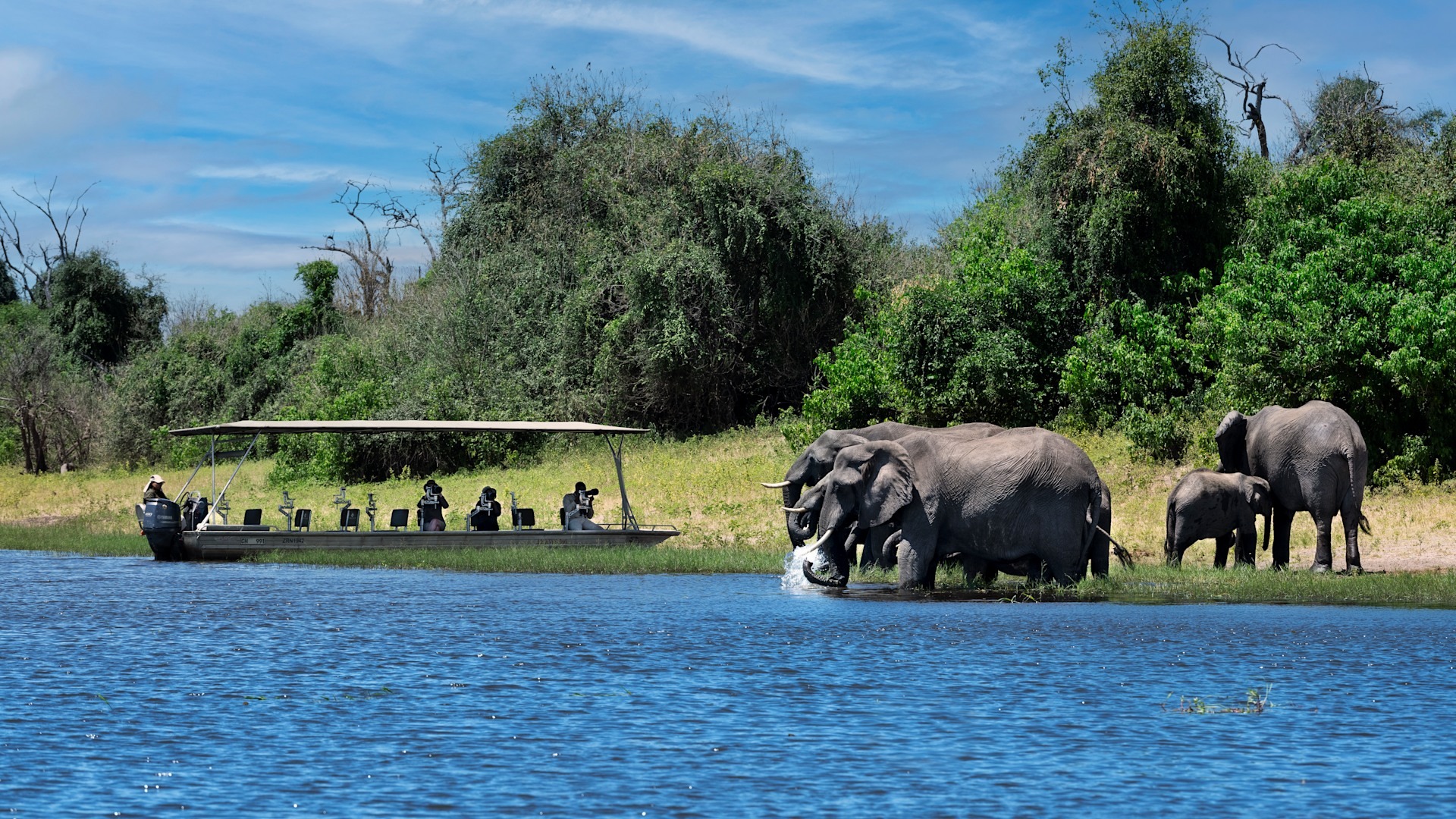
The protected area was fully transformed into a national park in 1968, two years after Botswana’s independence. Chobe became the first national park in Botswana and one of the first in Southern Africa to be managed with a focus on ecological sustainability and minimal human interference.
Over the years, Chobe National Park was expanded and divided into four different ecological regions: Chobe Riverfront, Savuti Marsh, Linyanti Swamps, and the Hinterland or Nogatsaa area. Each zone offers different landscapes and wildlife experiences. The park’s Chobe Riverfront is especially famous for hosting the largest concentration of African elephants in the world
Flora in Chobe national park
Chobe National Park flora is dynamic and changes with seasons for instance; during the wet season, from November to March, vegetation is lush and green, and many trees bear flowers and fruit and this period supports breeding for many species. In the dry season, from May to October, vegetation becomes sparse, trees shed their leaves, and grasses dry up, drawing wildlife to remaining water sources, especially along the Chobe River. A large portion of the park’s interior is covered with mopane woods, which is primarily made up of camel thorn, bushwillows, and mopane trees.
The four ecological zones of Chobe National Park; the Linyanti Swamps, Savuti Marsh, Chobe Riverfront, and the arid hinterlands have different types of vegetation, though. For instance,
Along the Chobe Riverfront is dominated by dense riverine forests and floodplains featuring species like; jackalberry, waterberry, leadwood, wild fig, and reed beds. These trees and grasses provide shade, food, and shelter to animals. For example, baobabs store water in their trunks and provide food for baboons and birds, while jackalberry trees produce fruit consumed by both wildlife and people. The floodplains are grazing ground for herbivores like buffaloes and impalas especially during the dry season when water sources become limited elsewhere in the park.
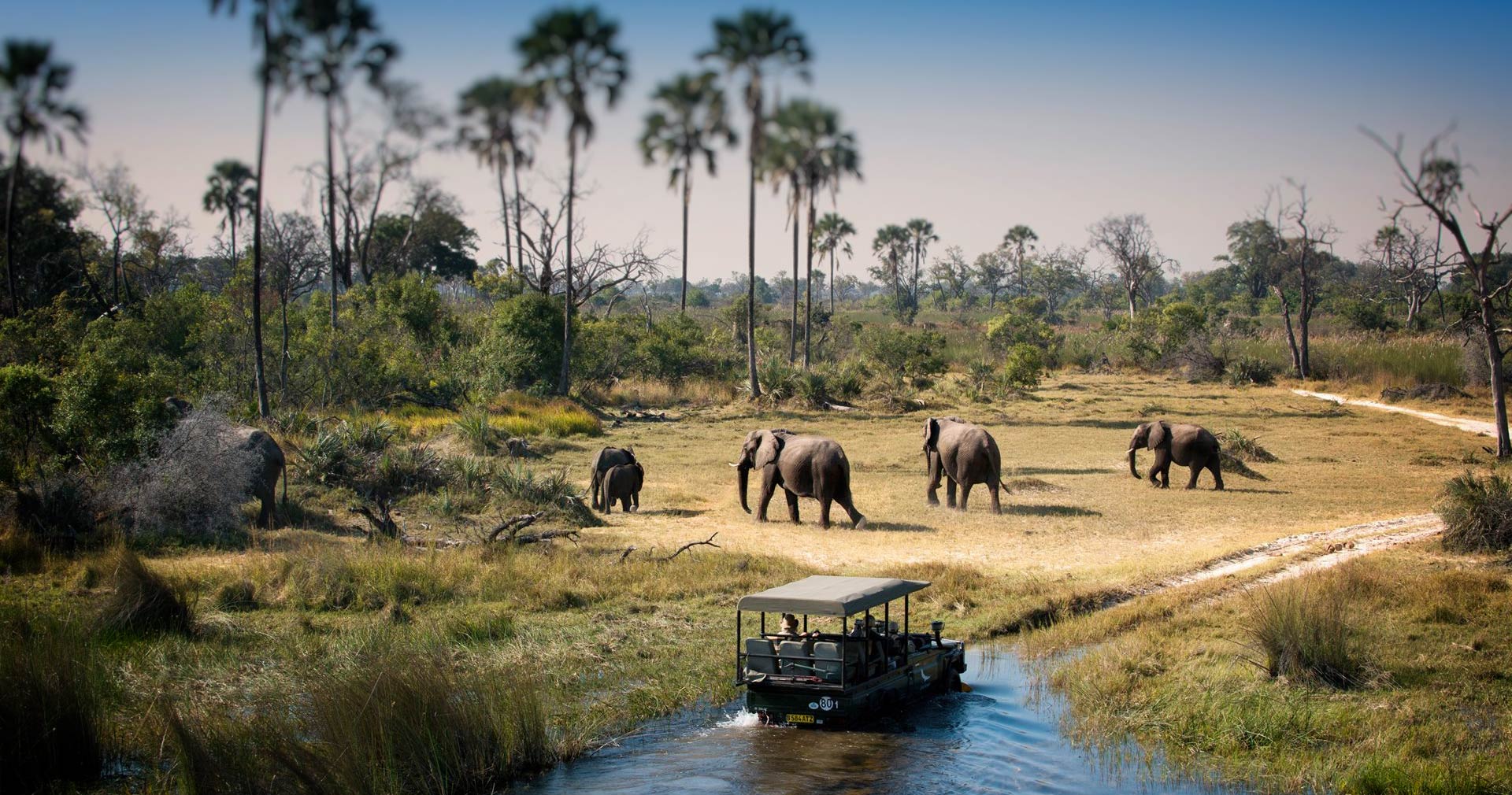
On the other hand, the Savuti region is distinguished by its rolling grasslands, scattered Terminalia and acacia trees, and the baobab. The unpredictable flow of the Savuti Channel affects the vegetation in Savuti by influencing the growth of seasonal grasses which attract huge numbers of herbivores which in turn attract predators like lions, cheetahs, and hyenas. These open plains are more active during and after the rainy season when fresh vegetation grows rapidly.
In the Linyanti Swamps far to the northwest, you can find wild date palms, papyrus beds, floodplain grasses, and permanent wetlands. These regions serve as essential habitats for water species and are home to a variety of wading birds and less common species like the sitatunga antelope. Also, the wetlands serve as essential nesting and hatching grounds to the park’s bird species.
Wildlife in Chobe national park
Chobe National Park is home to a variety of wildlife species across its four main ecological zones. These habitats support an extraordinary range of mammals, birds, reptiles, and aquatic species, many of which can be observed in large numbers and close proximity, particularly during the dry season when animals concentrate around water sources.
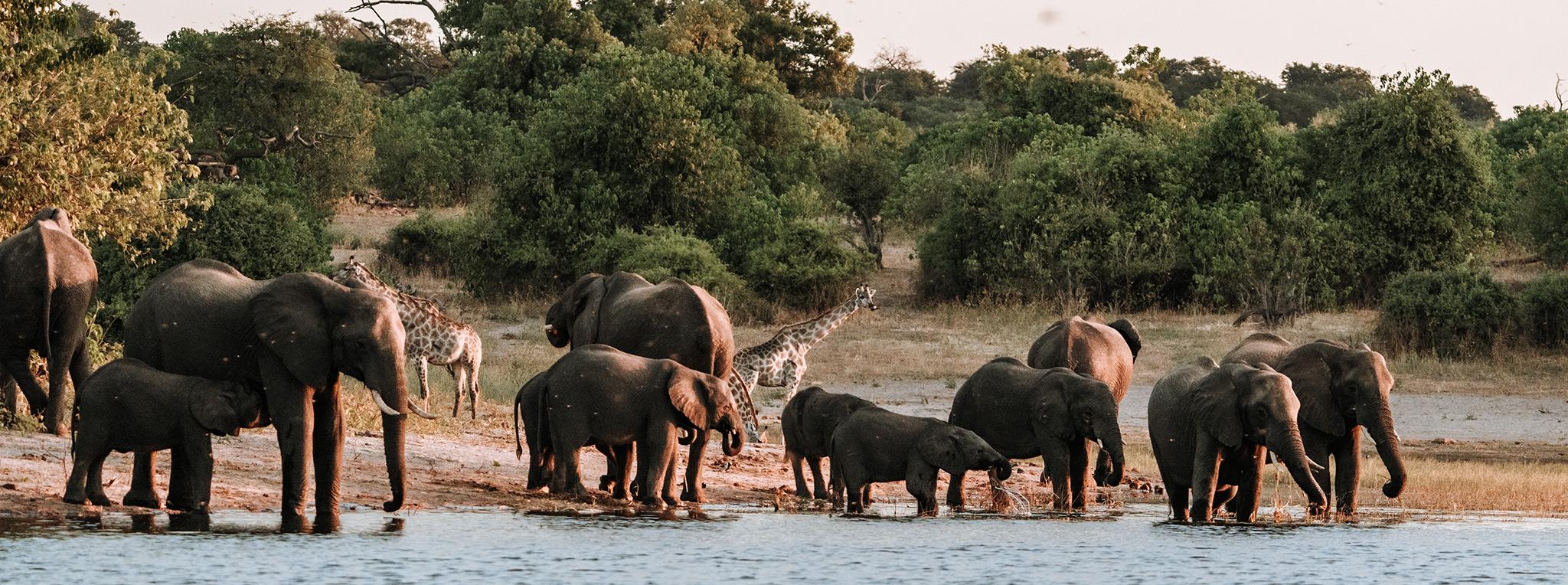
Chobe National Park is known for its huge population of African elephants, which is thought to number around 120,000. These elephants are among a greater number of migratory animals that travel throughout Botswana and into nearby nations like Namibia, Angola, and Zimbabwe. Most often spotted along the Chobe Riverfront, they gather in large numbers to drink, bathe, and graze during the dry season, which ranges from May to October.
In addition to elephants, Chobe also supports a large number of African buffalo, often seen in herds along riverbanks and open plains. Other herbivores present include impalas, kudus, zebras, giraffes, bushbucks, waterbucks, lechwes, sable and roan antelopes. Predators like lions, leopards, cheetahs, spotted hyenas, and endangered African wild dogs also call Chobe home.
Chobe National Park hosts over 450 bird species including the migratory birds. Some of these include; African fish eagles, carmine bee-eaters, saddle-billed storks, kingfishers, African skimmers, Pel’s fishing owl, waterfowl, and raptors. Reptiles are also present in the park. Nile crocodiles and hippos are commonly seen along the rivers particularly during boat cruises. Other species like snakes and lizards can also be spotted in the park’s woodland and wetlands. Chobe River is a home to aquatic species like; tigerfish, catfish, and bream. On the other hand amphibians like frogs and toads become more visible during the rainy season.
What to and see in Chobe national park
Game drive
This is the most popular activity done in Chobe National Park and it is typically conducted in open 4×4 safari vehicles. Game drives take place in the morning and late afternoon when wildlife is most active. Most of these game drives are conducted around Chobe Riverfront because it is where most animals graze. Some of animals that can be spotted during game drives include; elephants, buffaloes, lions, leopards, antelope species, and various birds. Game drives in the Savuti and Linyanti regions offer a chance to see predators and rare species such as wild dogs and cheetahs. Night game drives are offered in private concessions outside the national park boundaries, giving visitors the chance to see nocturnal species like civets, genets, and bush babies.
Boat cruise
Boat safaris are conducted along the Chobe River. Chobe National Park offers morning, afternoon and sunset boat cruises. These excursions offer an opportunity for close up views of wildlife that come to drink, bathe and bask at the river bank. Some of these animals include; herds of elephants, hippos, crocodiles, and a variety of water birds. Sunset boat cruises combine wildlife viewing with views of the sun setting over the water.
Bird watching
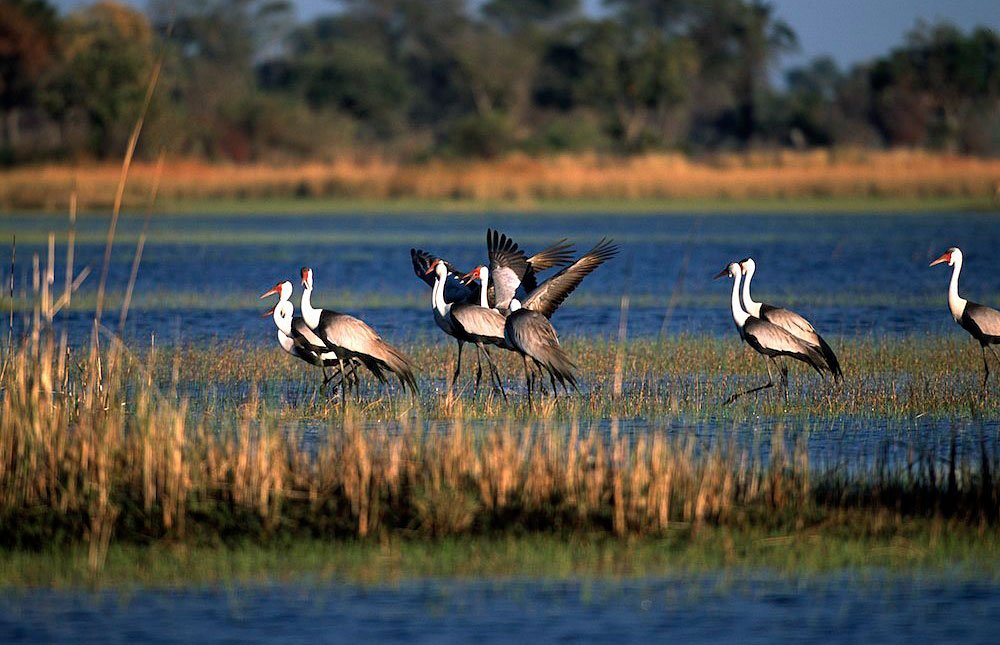
Chobe National Park is a home to 450 bird species which include; African fish eagles, carmine bee-eaters, kingfishers, storks, herons, and the rare Pel’s fishing owl. These birds can be spotted in floodplains, wetlands, woodlands, and riverbanks. Bird watching in Chobe National Park is ideal in the wet season between months November to March because migratory birds arrive in large numbers.
Guided nature walks
Chobe national park offers guided nature walks in selected areas to those interested in seeking deeper insight into the park’s ecosystems. These walks are led by park rangers who share information with visitors about insects, animals, plants with their traditional uses to the local community.
Fishing
Fishing excursions are also available along Chobe River especially on the park boundaries. Anglers get a chance to catch cat fish, bream, tigerfish and tilapia. In addition, some lodges and operators offer catch-and-release fishing safaris allowing visitors to enjoy the experience while minimizing ecological impact.
Cultural visits
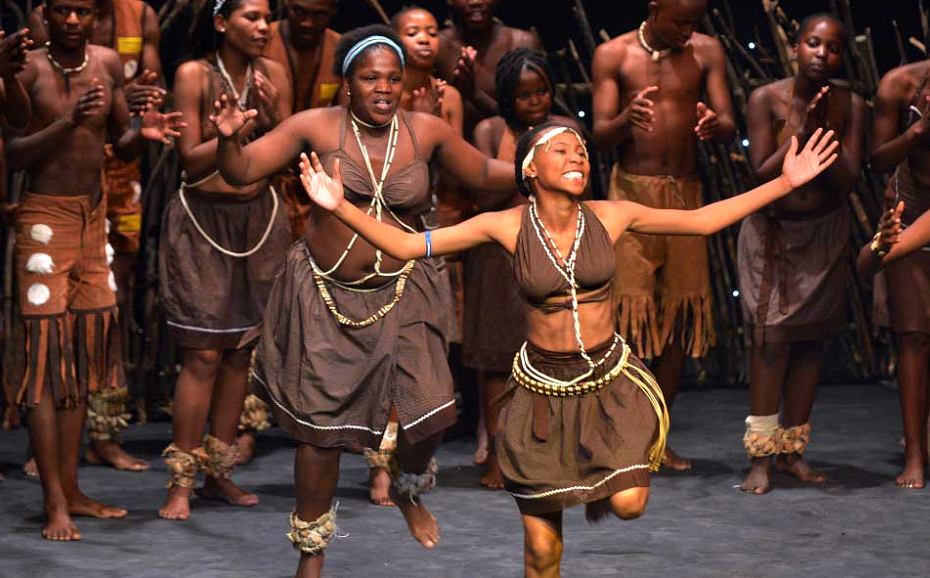
Cultural activities around Chobe National Park offer visitors a deeper understanding of the traditions and way of life of the local communities especially in the towns and villages of Kasane, Kachikau, and Pandamatenga. These experiences offer insight into the culture of the Bayei, Babukakhwe(San), and Basubiya people. Visitors get the opportunity to explore homesteads, learn about traditional food preparation such as seswaa, morogo, and bogobe, and learn herbal medicine. Visitors also participate in the traditional music and dance performances, craft making like basket weaving and beadwork among others.
When to visit Chobe National Park
The best time to visit Chobe National Park depends on what one wants to experience, but overall, the dry season from May to October is considered the most ideal for wildlife viewing. During this period, animals concentrate around the Chobe River and other water sources, making it easier for visitors to spot them in large numbers. The rainy season, from November to March is considered to be ideal for birdwatching as migratory birds arrive. During this time game viewing is a bit challenging due to thicker vegetation and dispersed animals.
Accommodation in Chobe National Park
Chobe National Park caters to a wide range of accommodation from luxury lodges and tented camps to mid range and budget safari lodges. Some of these accommodation facilities include; Chobe Game Lodge, Chobe Chilwero, Ngoma Safari Lodge, Sanctuary Chobe Lodge, Thebe River Lodge, Chobe Safari Lodge, and Kwalape Safari Lodge. Budget travelers and backpackers can find more affordable options like guesthouses, camping sites, or basic lodges in Kasane. Some campsites even have views of the river and wildlife activity nearby. Additionally, mobile safari camps and tented camps are available in the Savuti and Linyanti areas for those wanting a more remote and bush experience.