


Pemba is 50 kilometers north of Unguja in the Indian Ocean, part of Tanzania’s semi-autonomous Zanzibar Island. Being off-the-beaten path, Pemba Island hasn’t been reshaped by mass tourism. As such, Pemba has some of the most untouched diving, snorkeling, and beaches with barely a footprint on them.
Clove plantations cover much of the island, along with rice paddies threaded through green valleys. At night, the wind that whispers through the plantations might carry the sound of distant drumming. In the 1930s, Pemba was famous across the world for the power of its sorcerers and healers. Devotees of the spiritual arts from as far away as Haiti would come to be initiated into the rites of Pemba’s healers, known locally as Waganga. The island remains a center of traditional spiritual practice and forms part of the domestic tourism.
Diving, beaches, and the coast
Pemba’s west coast is part of the Pemba Channel Conservation Area, a protected marine zone established in 2005. The area offers the best diving in East Africa and a chance of spotting manta rays, reef sharks, dolphins, and even whale sharks depending on the season.
Diving conditions are generally best from July through November, when the southern Kusi wind makes the ocean cooler and clearer. December through March are also good months for diving; however. The months tend to be associated with turbulent water as the Kaskazi wind shifts in from the northeast. The long rains fall between April and May, and some accommodation may close during this period. For those intending to visit Pemba for diving, it’s worth planning a trip around the drier months.
Misali Island
The centerpiece of that conservation area is Misali Island, a small, uninhabited islet located off Pemba’s west coast. The island can be visited for a day trip and offers coral gardens that are just off the beach. Misali Island is an ideal destination for snorkelers and certified divers. According to a local legend, the island was once used as a hideout by pirate Captain Kidd. He is rumored to have buried treasure somewhere on its grounds.
Locals also consider Misali sacred, believed to have been used as a prayer mat by a revered religious figure. Accounts vary between local prophet tradition and the Islamic figure of Suleiman, or King Solomon. There are no permanent settlements, and camping isn’t permitted. Only day visits are allowed and include an admission fee that funds the conservation program.
History, ruins, and old towns
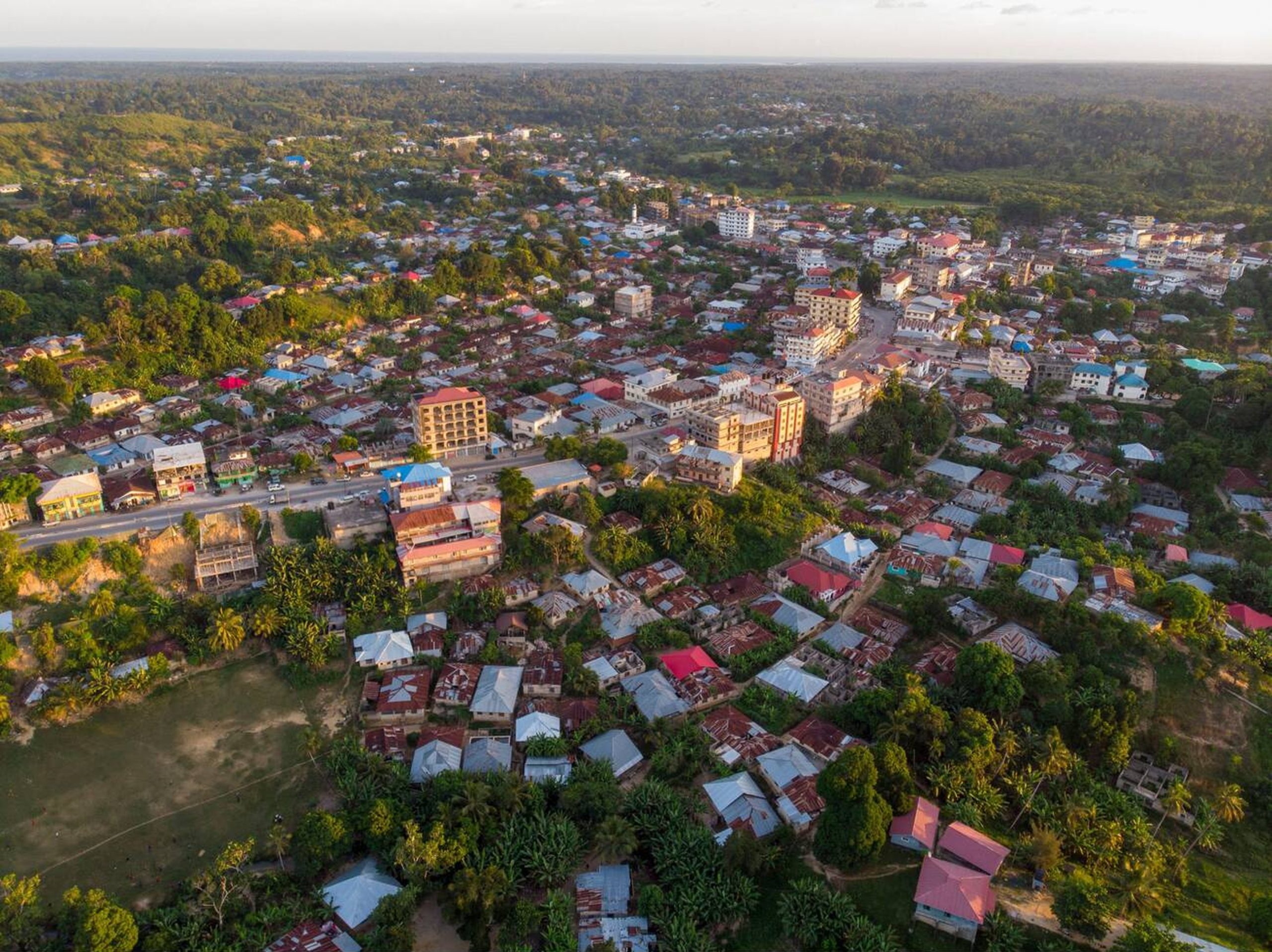
Pemba’s history dates back to the Stone Age about 10,000 years ago. That rich history can be experienced through ancient ruins and old towns. Chake Chake, the island’s old town and modern administrative center streets still hold old mosques and tombs worth exploring. Southeast of town lies the Pujini Ruins that mark the remains of a fortified settlement built around the 13th century. The Mkama Ndume Ruins near Pujini village offer another worthwhile stop for those intending to explore the island’s pre-colonial history.
Ngezi Forest and the island’s wildlife
In the island’s northwest corner, Ngezi Forest Reserve spans 29 sq. km and protects one of the last island’s original tropical forests. The reserve harbours species found nowhere else on Earth including the Pemba flying fox, a large fruit bat with a wingspan of 1.6 meters. The Mapapindi palm is a unique tree species found only in this forest, recognized as an Important Bird Area with over 130 birds including Pemba endemics, the Pemba Scops owl and Pemba white-eye. Birding in this forest is excellent, especially in the early morning hours.
Culture, sport, and daily life
Bullfighting, oddly enough, is a local sport on Pemba, reportedly introduced by Portuguese traders in the 17th century. In this sport, there’s no killing involved, just a series of bold moves testing the bull’s temperament and the matador’s nerve. There after the bull is draped in flowers, showered with praise, and paraded triumphantly through the village. It’s such a unique Pemban tradition and worth catching if your visit happens to align with one.
Clove plantations shape much of daily life as Pemba has long been one of the world’s most significant clove-growing regions. The scent of drying cloves drifting from roadside farms is one of the more memorable sensory details of a visit, especially during harvest season.
Practical tips for visiting Pemba
Getting to Pemba is straightforward, and the fastest option is a flight from Zanzibar’s Abeid Amani Karume International Airport (ZNZ) to Pemba’s Karume Airport (PMA) near Chake Chake. The flight takes around 20 to 40 minutes, with carriers such as Coastal Aviation, Auric Air, ZanAir, and Air Tanzania operating multiple flights a day. There are also less frequent connections from Dar es Salaam and Tanga.
Pemba can also be reached via a 2-hour hour ferry that sails from Mkoani, or much longer on routes from Stone Town. Ferry services tend to be weather-dependent and booking in advance during peak season is recommended due to schedules and seat availability.
Modest dress is appreciated in towns and villages out of respect for the predominantly Muslim local culture, particularly for women. Tourism remains low-key, and locals aren’t accustomed to large crowds of visitors.
Cash (Tanzanian shillings) is the most reliable currency to carry, as card acceptance and ATM access are inconsistent outside Chake Chake town.
Where to stay
Small guesthouses are the most common type of accommodation on the island. There are also fewer luxury diving-focused lodges and resorts.
Best time to visit Pemba Island
The best overall time to visit is during the dry seasons from July to October and December to March for those intending to do diving and snorkelling. The dry season coincides with peak season for safaris in mainland Tanzania, which offers opportunities to combine a Tanzania wildlife safari with a Pemba Island escape. Find more information in this Tanzania travel guide to plan your safari.