


Serengeti National Park is a UNESCO world heritage site and one of Tanzania’s best wildlife destinations and the heart of the wider Serengeti ecosystem. The vast savanna plains support large populations of wildlife, including the Big Five and over 500 bird species have been recorded across the park.
The protected area covers about 14,763 sq. km and forms part of the larger Serengeti-Mara ecosystem that extends from northern Tanzania into Kenya. It is contiguous with the Ngorongoro Conservation Area to the southeast and connected ecologically with surrounding protected areas and reserves.
Serengeti is famous for the Great Wildebeest Migration. However, the park offers much more than the annual movement of wildebeest. Resident wildlife, large predators, spectacular landscapes, hot-air balloon safaris and walking experiences make for a year-round safari destination.Given the larger size, the park can be easily understood through its four major safari regions which include the Southern Serengeti, Seronera valley and the Central Serengeti, the Western Corridor (Grumeti Game Reserve) and Northern Serengeti. Each has different landscapes, wildlife concentrations and seasonal attractions.
Where is Serengeti National Park?
Serengeti National Park lies in northern Tanzania and is part of the larger Serengeti ecosystem. The park stretches toward the Kenyan border, where the ecosystem continues into the Maasai Mara National Reserve. To the southeast, Serengeti connects with the Ngorongoro Conservation Area, creating one of the most important continuous wildlife landscapes in northern Tanzania. For those intending to follow the Northern Tanzania Safari Circuit, Serengeti is often combined with destinations such as Ngorongoro Conservation Area, Tarangire and Lake Manyara National Parks.
The different regions of Serengeti
Serengeti is a huge ecosystem and where you stay or travel within the park can significantly influence the wildlife and seasonal experiences you encounter.
Southern Serengeti
The Southern Serengeti is dominated by expansive short-grass plains. The shallow, mineral-rich soils and volcanic influences help produce nutritious grasses that support large herbivore populations. Between roughly December and February, large numbers of wildebeest gather in the southern plains and surrounding Ndutu area for the calving season. The concentration of newborn wildebeest attracts predators, particularly cheetahs and lions. The Southern Serengeti is therefore particularly associated with Wildebeest calving, high intensity Predator activity, Short-grass plains, and is a must-visit for a keen photographer.
The wider Ndutu ecosystem
The neighboring Ndutu Plains are within the Ngorongoro Conservation Area and not in Serengeti National Park itself. However, they form part of the same broader ecological landscape and are often combined with a Southern Serengeti safari altogether. The Southern Serengeti is the main setting for the wildebeest calving-season.
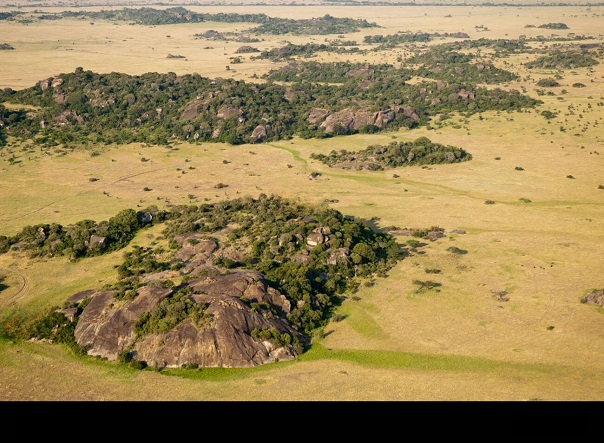
Central Serengeti and Seronera valley
Seronera occupies the central part of Serengeti and is one of the park’s principal wildlife viewing areas. The Seronera River and surrounding watercourses support riverine vegetation and provide permanent or more reliable water sources than many parts of the surrounding plains. This helps sustain resident wildlife throughout much of the year. Elephants, buffaloes, giraffes, zebras, impalas among other herbivores can be found in the area, supporting populations of predators including lions and leopards. The rocky kopjes and river valleys add another dimension to the landscape and provide important resting and vantage points for wildlife. Seronera serves as the park headquarters making for the principal bases for safari tourism in Serengeti and an important location for hot-air balloon safaris. For first-time visitors looking for a broad introduction to Serengeti wildlife, Central Serengeti offers a useful base given that wildlife viewing is not dependent entirely on the seasonal movement of the Migration.
Western Corridor
The Western Corridor stretches toward Lake Victoria and is characterized by the seasonal Mbalageti and permanent Grumeti river systems, together with woodland and riverine habitats. The landscape becomes greener and more wooded than the open southern plains. Riverine vegetation provides habitat for a variety of wildlife and bird species. The Western Corridor is particularly associated with the wildebeest rut, which generally occurs around May and June as the herds move through the area. The Grumeti River is another important stage in the Migration, although the timing and location of crossings vary from year to year. The Western Corridor also borders private and community-managed conservation areas where safari experiences uniquely differ from those inside the national park.
Northern Serengeti
Northern Serengeti has a more rugged landscape of rolling hills, rocky outcrops and woodland savanna. The region includes areas around Lobo and Kogatende and extends toward the Mara River and the Kenyan border. The Mara River is one of the defining geographical features of the northern Serengeti. During the annual Migration, large herds move into this region before crossing the river and continuing toward the Maasai Mara ecosystem in Kenya. The timing and location of river crossings can be unpredictable. However, the northern Serengeti becomes particularly important for Migration safaris during the dry-season months. Northern Serengeti is also valued for its remote atmosphere, resident wildlife and distinctive rocky landscape.
Wildlife in Serengeti
Wildlife is the foundation of the Serengeti safari experience. The park supports the Big Five mammals which include lion, leopard, elephant, buffalo and black rhinoceros. Sightings vary according to location, season and animal movements. Lions are widely distributed and are particularly associated with areas where large concentrations of herbivores provide abundant prey such as Central Serengeti. Leopards are more elusive and are often associated with riverine woodland and areas with suitable trees for resting and that includes areas like Central sector and Grumeti and western corridor. Elephants and buffalo are resident species and can be encountered throughout the park; giraffes, zebras, impalas, gazelles, warthogs and other herbivores contribute to the diversity of the ecosystem. The Serengeti is also important for cheetahs, spotted hyenas and these are common in the southern plains among other smaller predators. Over 500 bird species occur in the park, making Serengeti an important destination for birdwatchers as well as big-game safaris.
The Great Wildebeest Migration
Serengeti is famous for hosting the Great Wildebeest Migration, a natural phenomenon that involves over a million wildebeest, together with large numbers of zebra and gazelles, move through the Serengeti-Mara ecosystem in an annual search for pasture and water. The herds move through different parts of the ecosystem throughout the year as follows:-
Southern Serengeti: calving and the concentration of newborn wildebeest
Central Serengeti: movement northward through the plains
Western Corridor: rutting and movement toward the Grumeti region
Northern Serengeti: movement toward and across the Mara River
Eastern and southern areas: return movement as the cycle begins again
The exact location of the herds changes according to rainfall, pasture and local conditions, so migration timing should be treated as a seasonal pattern. This Great Wildebeest Migration guide offers a detailed month-by-month explanation of the Migration in Tanzania.
Best time to visit Serengeti
Serengeti can be visited throughout the year. However, different seasons offer different safari experiences.
December to February
The southern plains and surrounding Ndutu area become important for the wildebeest calving season. Large concentrations of herbivores and newborn animals can attract predators.
March to May
As seasonal conditions change, the herds gradually move away from the southern plains. The central and western parts of the ecosystem become increasingly important.
May to June
The Western Corridor becomes associated with the Migration’s rutting period and movement toward the Grumeti region.
July to October
Northern Serengeti becomes particularly important for travellers hoping to see the Migration around the Mara River. The river crossings are unpredictable and may not be guaranteed on a particular day.
November
The short rains help stimulate fresh vegetation and the herds begin their movement back toward the southern plains. The best time to visit therefore depends on what you want from a Serengeti safari.
Things to do in Serengeti
Game drives
Game drives are the principal way to explore Serengeti. Early-morning and late-afternoon drives offer opportunities to encounter predators, herbivores and birdlife while experiencing the changing light across the savannah. Different regions provide different experiences, from the resident wildlife of Seronera to the seasonal Migration landscapes of the south, west and north.
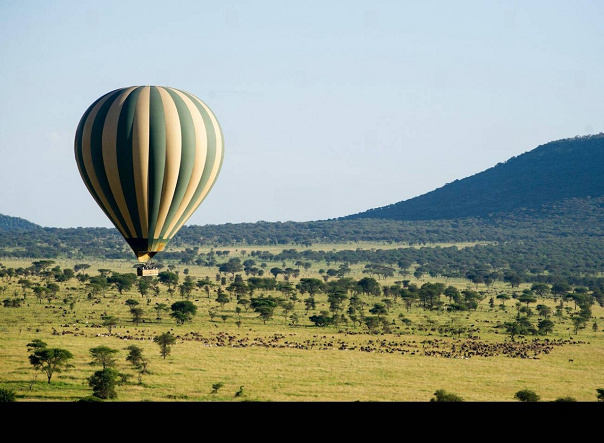
Hot-air balloon safari
Hot-air balloon safaris offer a different perspective of Serengeti, with flights taking place around sunrise above the plains. From the air, travellers can see the scale of the savannah, wildlife and changing landscape before returning to the ground for a bush breakfast.
Walking safari
Guided walking experiences allow visitors to experience the Serengeti beyond the vehicle. Walking focuses on smaller details of the ecosystem, including plants, insects, animal tracks, sounds and habitats that can easily be overlooked during a conventional game drive. Walking is conducted only in designated areas and under the appropriate guiding and ranger arrangements.
Where to stay in Serengeti
Accommodation is spread across the different safari regions, and location should be one of the main considerations when choosing where to stay.
Central Serengeti
Staying around Seronera offers access to a productive wildlife area and is particularly suitable for travellers who want broad year-round game-viewing opportunities. Properties in this area include One Nature Nyaruswiga Lodge and other camps and lodges around the central Serengeti.
Western Serengeti
The Western Corridor provides access to the Grumeti region and the landscapes associated with the western movement of the Migration. Examples of accommodation in this region include &Beyond Grumeti Serengeti River Lodge and Kirawira Camp.
Northern Serengeti
Northern Serengeti accommodation provides access to the remote northern landscapes and the Mara River region. Serengeti Ark Safari Lodge is one example of accommodation in this part of the park.
Southern Serengeti and Ndutu
Accommodation around the southern Serengeti and Ndutu area is particularly useful during the calving season. When planning a Migration safari, the location of your accommodation can be as important as the property itself given that it determines how close you are to the seasonal movement of the herds. Where to Stay for the Wildebeest Migration
Serengeti safari circuits and nearby destinations
Serengeti is usually visited as part of a wider northern Tanzania safari rather than as an isolated destination. A classic route can connect Arusha, Tarangire, Lake Manyara, Ngorongoro and Serengeti. The wider ecosystem also connects Serengeti with the Ngorongoro Conservation Area to the southeast and the Maasai Mara ecosystem across the Kenyan border. Olduvai Gorge, within the Ngorongoro Conservation Area, can also form part of a northern Tanzania itinerary between Ngorongoro and Serengeti. These connections make Serengeti an important destination within the broader Northern Tanzania safari circuit.
How to get to Serengeti
By road
Serengeti can be reached by road from Arusha and from the Ngorongoro area. Road travel allows visitors to experience the changing landscapes of northern Tanzania along the way.
Naabi Hill Gate is an important entrance for travellers approaching the Serengeti from the Ngorongoro side, while other gates provide access to different parts of the park.
By air
Flying is an alternative for travellers who want to reduce road travel time.
Serengeti is served by several airstrips, including Seronera in the central region and Kogatende in the north. Other airstrips serve different parts of the park and surrounding safari areas.
The appropriate airstrip depends largely on where you are staying and which part of Serengeti you intend to explore.
Planning a Serengeti safari
The most important decision when planning a Serengeti safari is not simply whether to visit the park, but where in Serengeti you want to be and what you want to see. For the Migration and calving season, southern Serengeti and Ndutu become important. For year-round wildlife and big-cat viewing, Central Serengeti and Seronera are major safari areas. For the Grumeti region and western landscapes, the Western Corridor is the natural focus, while Northern Serengeti becomes particularly important for travellers following the Migration toward the Mara River. This geographical approach helps you match the safari route, accommodation and timing to the experience you actually want.
Frequently asked questions about Serengeti
Is Serengeti worth visiting without the Great Migration?
Yes. The Serengeti supports substantial resident wildlife populations throughout the year, including predators, elephants, buffaloes, giraffes and numerous other species. The Migration is one of the park’s major attractions, but it is not the only reason to visit.
How many days do you need in Serengeti?
The ideal length depends on your route, budget and the regions you want to explore. More time allows you to travel farther between regions and increases the opportunity to experience different landscapes and wildlife concentrations.
Which part of Serengeti is best?
There is no single region that suits every safari. Central Serengeti is particularly useful for general wildlife viewing, the southern plains for calving season, the Western Corridor for the western Migration route and Northern Serengeti for the Mara River region.
Can you see the Big Five in Serengeti?
Serengeti supports all five species traditionally referred to as the Big Five: lion, leopard, elephant, buffalo and black rhinoceros. Sightings are never guaranteed, particularly for elusive species such as black rhino and leopard.
When is the Mara River crossing in Serengeti?
Mara River crossings generally occur during the period when the Migration reaches Northern Serengeti, commonly around July to October. The exact timing and location depend on rainfall, river conditions and the movement of the herds.
Can you visit Serengeti from Arusha?
Yes. Serengeti is commonly incorporated into Northern Tanzania safari itineraries beginning in Arusha. Travellers can reach the park by road or use safari flights to reduce travel time.
Explore more of Tanzania
Serengeti is one part of Tanzania’s much larger safari and tourism landscape. Continue exploring the country’s destinations, wildlife, cultural attractions and safari circuits through our Tanzania travel guide.