


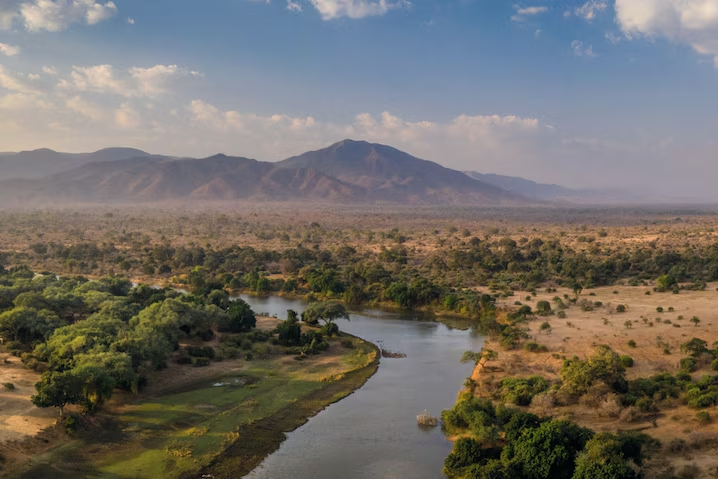
Lower Zambezi national park is located in south east Zambia on the northern banks of Zambezi river along the border with Zimbabwe’s Mana Pools national park to the south. The river serves as a natural boundary between the two protected areas which form the Lower Zambezi-Mana Pools Transboundary Landscape.
The park is surrounded by two conservation buffer zones which include the Chiawa to the west and Rufunsa to the west. Chiawa and Rufunsa are game management areas that were established for a purpose. To sever as wildlife corridors linking Lower Zambezi and Luangwa Valley, to shield the national park from human pressures and to allow sustainable management of natural resources in partnership wit local communities. The GMAs offer unique activities including trophy hunting which are not permitted in the national park. Wildlife moves freely across the landscape which maintains the ecological intergrity.
History
Covering 4,092 Sq. km (2,542 Square miles), Lower Zambezi was gazetted as a national park in 1983. Having been a private wildlife reserve of the president of Zambia. The new status helped to preserve the park from human pressures, however. With limited tourism development, Lower Zambezi was positioned to remain remote and untouched African wilderness park. Several factors are responsible including the geography of the park. The steep escarpment to the north acting as a barrier for paved road development.
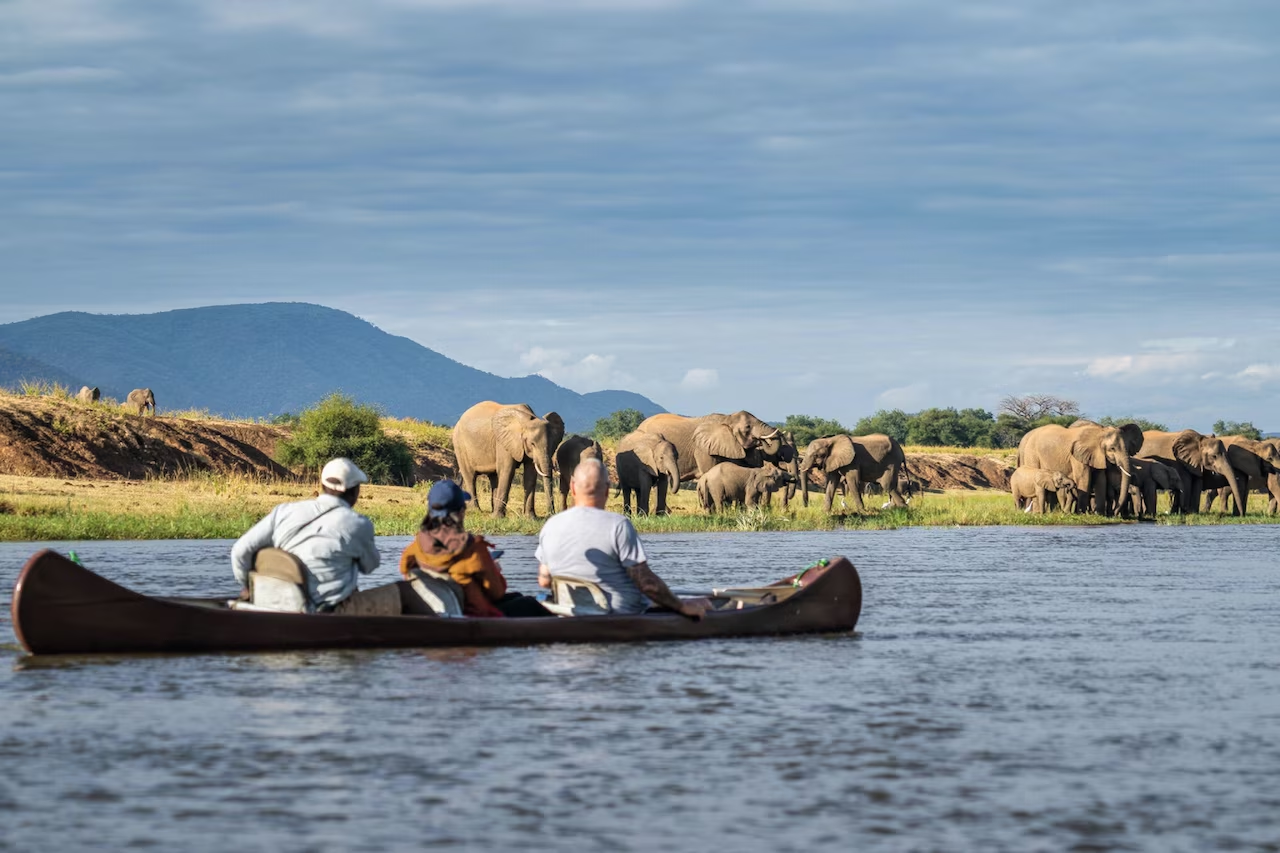
Lower Zambezi only has dirt tracks and some of its sections and lodges and camps can only be reached by air or boat ride which has naturally favoured the park to offer an exclusive wildlife safari experience in a spectacular park rich in biodiversity including 50 mammal species and over 350 species of birds. Herds of elephants and buffaloes roam the park along with zebras, waterbucks, and hippos. Big cats and predators in Lower Zambezi include lions, leopards, African wild dogs, and spotted hyenas. Top activities including canoeing, boat rides, and walking safaris offer opportunities to spot wildlife in addition to traditional game drives.
Flora and fauna
Lower Zambezi national park covers an area of 4,092 Sq. km (2,542 Square miles). The protected area is bound to the south by Zambezi river and the Zambezi escarpment to the north. The valley floor in between is composed of rich alluvial fertile soils and silt deposits, islands, sand bars, and lagoons. The escarpment’s altitude ranges between 1,000 and 1,200 meters (3,280-3,937) and 350 to 450 meters (1,148-1,476) in the valley at above sea level. Due to such elevation difference, the valley relatively traps more heat and humidity and has a micro climate with lush Mopone woodland forests dominated by winterthorn (Acacia albida), a deciduous African tree species that grows up to 30 m tall with high rounded spreading crown. The tree pods provide food and proteins for elephants.
During the dry season when other vegetation becomes thinner, Acacia albida stays green offering shade and shelter for wildlife. Lower Zambezi national park is rich in biodiversity with 50 mammals and over 350 species of birds including elephants, buffaloes, plains zebras, hippos among other antelopes such as greater Kudus, impalas and waterbucks.
The herbivores support a flourishing population of Big Cats and predators including lions and leopards, African wild dogs and spotted hyenas. The park lacks giraffes and rhinos given that the nature of terrain doesn’t favour their survival. The steep escarpment causes wildlife to confine into the valley, which guarantees excellent sightings within the natural enclosure. In addition to wildlife, streams that flow from the escarpment create spectacular waterfalls during the rainy season.
Where to stay
Zambezi national park offers specific types of accommodation including riverside lodges, tented camps, and bush camps. The lodges on the banks of the river offer luxury accommodation with private decks to enjoy spectacular views. The bush camps are tucked under tree canopies away from the river and ideal for birders and keen photographers. These camps prioritize walking safaris. The tented canvas safari camps offer luxury stays with 5-star amenities such as en-suit bathrooms.
Dulini Anabezi
Part of the Dulini Collection, Dulini Anabezi is a luxury tented camp situated on the banks of Zambezi river under the canopy of Acacia albida. This strategic location offers an opportunity for guests to enjoy spectacular views of the river and sightings of animals including hippos, elephants, buffaloes, and baboons. The camp offers 12 suites including a family suite each with en-suite bathrooms, bathtubs, outdoor showers, and private decks. The rooms are built on elevated above the ground interconnected by boardwalks. The camp is divided into two areas which include Zambezi Deck and Mushika Deck, each with its own swimming pool and lounge.
The main area of the lodge at Zambezi Deck serves as the meeting point for activities and dining. Meals are served in the open air allowing guests to view the river. Mushika Deck is located on a quiet side of the camp making for a good place to be for those intending to unwind and has its own bar and lounge overlooking the Mushika floodplain.
Chula Island Camp
Chula Island Camp is an Eco-friendly bushcamp located on Katengahumba Island along the Discovery channel. Surrounded by the bush and lagoons, the camp offers a tranquil atmosphere to relax. The camp is open during the dry season from May – November with five tents which are set up temporarily.
Each tent is securely surrounded by metal wire mesh and contains double beds with high-quality linens, en-suite open-air bathrooms with flushing toilets and copper basins. Hot bucket showers can be provided on demand as the camp is powered by solar energy. There’s a stretch-canvas tent serving as the central dining area with director’s chairs around tables. Being on a private Island, guests staying at the camp get convenient access to activities including canoeing along the channel and walking safaris.
Kanyemba Lodge
Kanyemba is a family operated lodge combining Zambian and Italian hospitality to offer luxury accommodation that feels like a home away from atmosphere. Built on the banks of the Zambezi River under a canopy of giant mahogany and wild mango trees in the Chiawa Game Management Area west of the Lower Zambezi national park along the border with Mana Pools national park so guests can enjoy a view across. The lodge offers spectacular views of the river and sightings of elephants are a common occurrence.
The lodge offers 6 stone and thatch Rondavel chalets including a family unit built from natural materials. Kanyemba’s family unit has a shared veranda overlooking the river. Amenities in the chalets include large private veranda overlooking the river, air-conditioning, ceiling fans, walk-in wardrobes, en-suite with rain hot and cold showers, digital safes, hair dryers, canopy mosquito netting. The lodge is powered by 220V electricity with generator backup. Dining experience is based on fresh local food and international cuisine with Italian influence and pizza. Among other facilities include a bar and lounges overlooking the river, library, swimming pool, and a campfire. Being situated in a private game area, the lodge offers unique activities including tiger fishing and night game drives.
How to get there
Lower Zambezi national park is 216 km (4-hour drive) south east of Lusaka capital city via Great East rd. The park can also be reached by domestic charter flights through Jeki and Royal airstrips. Royal airstrip is located outside the park and serves the Chiawa area. Jeki airtrip is inside the park offering direct access.