


Listed as a UNESCO world heritage site, Serengeti national park is among Africa’s best destinations for wildlife viewing. The protected area is rich in biodiversity including Big Five mammals which include lion, leopard, elephant, rhino and buffaloe; wildebeest migration and over 500 species of birds. The park covers 14,763 sq. km extending north adjoining Maasai Mara national park (1,510 sq. km) in Kenya, Ngorongoro Conservation Area to the southeast and to the west bordering lake Victoria. Serengeti national park comprises four distinct sectors, each defined by unique terrain and wildlife concentrations. Select your ideal sector based on the season of your visit and your specific interests. For instance, the calving season or the iconic Mara and Grumeti river crossings.
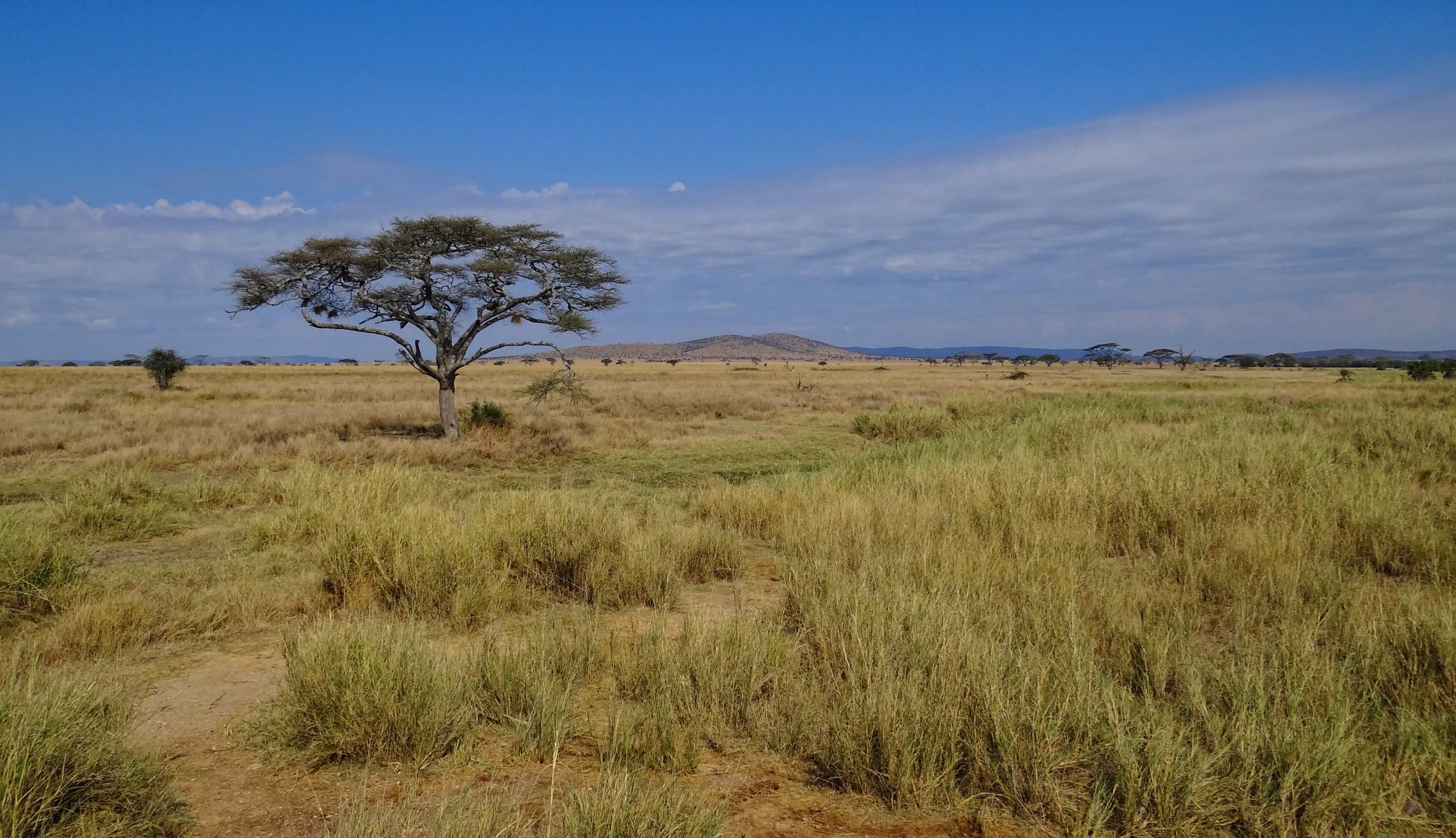
Sectors of Serengeti national park
Seronera
Seronera encampasses the central part of the park where the southern short grass plains transition into the northern woodlands. The Seronera river and tributaries including Ngare Nanyuki flow through the area to create rich alluvial soils. Which support dense riverine forests consisting of Sausage and yellow fever trees. The river valleys are dominated by umbrella thorn trees.
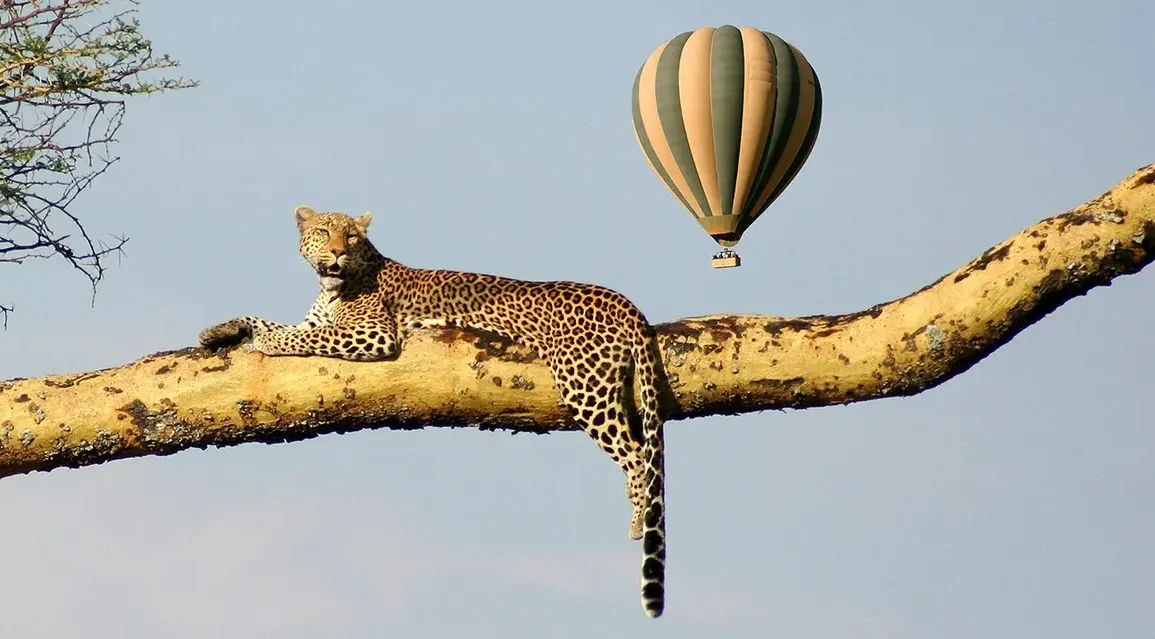
Due to permanent sources of water and green pastures throughout the year, Seronera valley sustains a large number of resident wildlife that don’t migrate including elephants, buffaloes, giraffes, zebras, impalas. These herbivores a reliable source of food for predators. As a result, Seronera is the best sector to see big cats year round which include leopards and lions. Look out for leopards in the Sausage tree branches. Lions tend to rest on the Maasai, Magamu, and Sametu granite rocky outcrops which provide high-ground vantage points.
Seronera sector serves as the park headquarters and the primary hub for hot air balloon safaris in Serengeti national park. The sector is best for year round big cat sightings and for first-time visitors.
Southern Plains
Southern Serengeti is a flat short-grass plain where you can see the curvature of the earth. This short grass stems from the underlying hard volcanic soil layer known as Caliche. Formed due to volcanic deposits from the Ngorongoro Highlands. The hard layer prevents deep root trees from growing, creating an almost treeless landscape.
The volcanic layer is rich in minerals including calcium carbonate, phosphorus, and magnesium. The grasses are highly nutritious for the lactating wildebeests. Between December and February the herds congregate in Southern Serengeti for the calving season.
With estimated 8,000 calves born per day, the plains became hunting grounds for cheetahs, making for a must-visit gem for a keen photographer. Most importantly, Southern Serengeti adjoins Ndutu Plains which is part of Ngorongoro Conservation Area. In this area off-road game drives are permitted which offers an opportunity to follow wildlife beyond the beaten track. The Southern Serengeti offers wildebeest calving season, and off-road wildlife drives in Ndutu Plains.
Western Corridor
Defined by the seasonal Mbalageti and permanent Grumeti rivers which flow westwards and empty into Lake Victoria. Western Corridor offers a lush tropical environment. Evergreen riverine forests consist of Mahogany, date palms, and giant figs harbor primates black and white colobus and Patas monkeys which are found nowhere else in Serengeti national park.
In May, the wildebeests are in the corridor for their rutting season, which offers an opportunity to witness fierce male competition and courtship behavior. Following the rut, the herds must cross the Grumeti river, home to massive Nile crocodiles.
For those intending to enjoy privacy on their safari to Serengeti, the corridor borders with private concessions including Grumeti Game Reserve (350,000 acres). In this reserve, visitor traffic is highly regulated and guests can enjoy night game drives and walking safaris which are not permitted in the main park. The Western Corridor is best for exclusive safaris, primate encounters, and the wildebeest rutting season.
Northern Serengeti
Characterized by rolling hills and rugged granite rock formations including Lobo Hills, Kogatende Ridge, the Northern Serengeti sector is a landscape of tall grass woodland savanna dominated. Dense acacia woodlands and Combretum terminalia species such as Vachellia robusta, Whistling Thorn, and Terminalia glaucescens stay green and provide refuge for wildlife throughout the dry season.
Mara river and its tributaries which include Bologonja, Naironya, Nanyuki serve as the bloodlife of Northern Serengeti. The main highlight of Northern Serengeti are the Mara river crossings which occur between July and October as the wildebeests attempt to cross from Serengeti into Maasai Mara national park in Kenya.
In addition to the dramatic river crossings, the unique rocky terrain harbors unique wildlife species such as Klipspringers and Oribis. Northern Serengeti offers an opportunity to witness Mara river crossings, unique wildlife species such as Klipspringers and a remote wilderness safari experience.
The wildebeest migration
The Great wildebeest migration, the largest terrestrial mammal migration in the world is the most spectacular attraction for Serengeti national park. Over 1.8 million animals which include 1.3 m wildebeests, 200,000 plains zebras, 200,000 Thomson’s gazelles (Eudorcas thomsonii), and 15,000 Elands (Taurotragus oryx) trek for over 1,000 km in search of the fresh pasture and water. Much of the migration happens in Serengeti and the Serengeti national park migration was declared one of the 7 wonders of Africa.
The Serengeti wildebeest migration loop
The movement of the Great Migration follows a roughly clockwise direction, beginning in the Southern Plains between December-March, where the nutrient-dense short grasses trigger the calving season and provide the best conditions for newborn wildlife. As the rains cease and the southern plains dry out, the herds move north through Seronera valley in April, using it as a transitional corridor.
By May and June, the migration loop tightens in the Western Corridor for the rutting season and the first major river crossing obstacles at the Grumeti. The journey of the wildebeest migration culminates in the Northern Sector between July-October, where the permanent waters of the Mara River provide the only sanctuary during the dry season. Finally, as the short rains begin in November, the herds move back down the eastern boundary to return to the southern calving grounds, completing the cycle.
Top serengeti experiences
Big Five Safari
Serengeti is home to the Big Five mammals which include lion, leopard, rhino, buffaloe, and elephant. Spotting them is possible when you participate in early morning and late afternoon game drives especially in the Seronera sector which is famous for harbouring lions and leopards. Black rhinos are elusive animals and may be hard to spot. However, Ngorongoro Crater offers the best opportunity to see them, making for a must-visit destination along with Serengeti. Elephants and buffaloes are resident animals and tend to congregate around permanent water sources during the dry season between June to October.
Hot air balloon safaris
Flying at an elevation ranging between 1,000-2,000 feet above the ground is one of the best Serengeti safari experiences. Hot air ballooning offers spectacular panoramic views of the landscape at sunrise. Depending on wind direction, time spent in the air is 1 hour and at the end of the activity, guests are offered a champagne toast and bush breakfast. Balloons vary by capacity of passengers they carry with 8, 12 and 16 passengers of which those carrying 12 and 16 passengers are provided upon visitor request.
Walking safaris
Serengeti national park offers walking safaris in designated areas including Moru kopjes in Central Seronera, Lobo Valley in the Northern, Southern Plains, Grumet river valley and in private concessions such as Namiri Plains in Western Corridor. Walking safaris is an activity of exploring the bush on foot with expert guides and armed rangers. The main purpose is to get a new perspective of the interdependence of the ecosystem and learn about micro-habitats, insects, plants, sounds, sights, and smells of the wild.
Calving season
Wildebeests migrate to the Southern Plains between December to February for calving, where over 8,000 calves are born in this period. The herds scatter across several areas including Ndutu Plains part of Ngorongoro Conservation Area. The newborn wildlife phenomenon attracts predators, especially cheetahs can be seen hunting as the flat, almost tree-less short-grass plains offer ideal hunting grounds.
Mara river crossings
The wildebeest migration loop reaches northern Serengeti where most of the herds attempt to cross the crocodile-infested Mara river on their way into Kenya’s Maasai national park. This phenomenon known as Mara river crossings occurs between July, to October of which August and September are regarded as peak months.
Where To Stay
Serengeti national park offers a wide range of accommodation evenly distributed across the sectors and neighboring concessions.
&Beyond Grumeti Serengeti River Lodge
Situated on the banks of Grumeti river in the Western Corridor, &Beyond Grumeti Serengeti River Lodge offers a sleek, modern eco-friendly design with traditional safari elements. The 10 suites including a family suite can accommodate a maximum of 22 guests. Each room has a veranda and a private plunge pool with spectacular river views. Room amenities include bathtub indoor rain shower, minibar, coffee station, JB bluetooth speaker and free safari accessories such as binoculars. The family suite has an additional bedroom specifically for children. Complimentary Wi-fi is available in the rooms.
The central area of the lodge serves as a dining and lounging place with a swimming pool, fireplace, a gym, an interactive kitchen and a gift shop. &Beyond in-room wellness treatments are designed to make you relax and rejuvenate your body, soul and mind. When staying at the lodge, guests can take part in a wide range of safari activities including game drives, hot air balloon safari, guided nature walks, and community visits. Those intending to spend more time in the Western Corridor, this 4 days Serengeti safari offers an opportunity to slow down and immerse yourself into nature.
Kirawira Camp
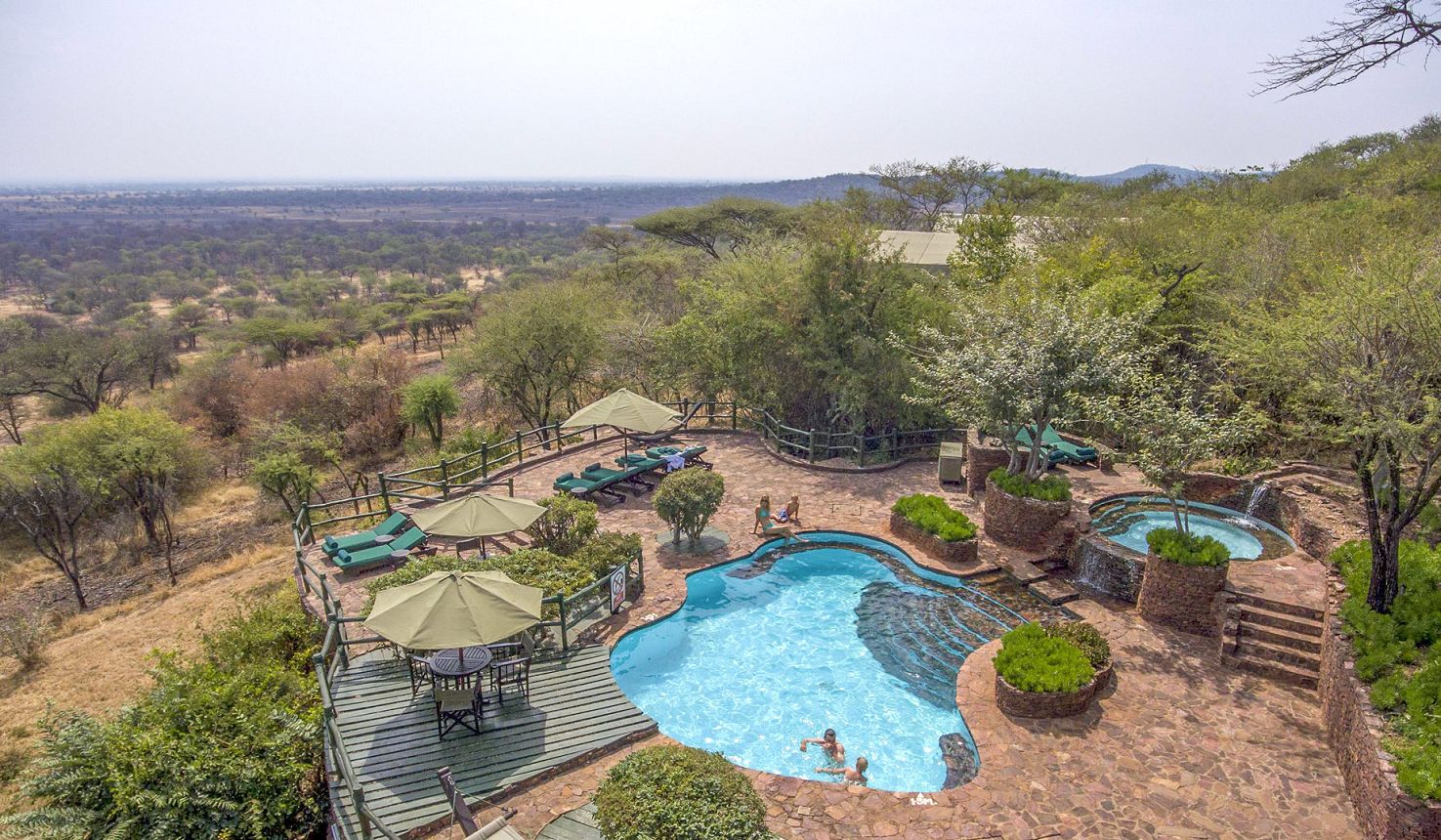
One of the beautiful camps owned and managed by Serena Hotels, Kirawira Camp is a luxury tented safari camp offering 25 tents set atop a ridge in the Western Corridor near Grumeti river. The Edwardian camp style rooms feature unique antiques including four-poster beds with patchwork, marble double sink bathroom, and dual-flush toilets, hot and cold running water. Guests at the camp receive personalized services such as private dining, sundowners, bush breakfast and dinner, and in-room meals with dedicated staff available to serve you. On the private veranda of your tent, massage is offered from your tent’s veranda and the swimming pool provides an opportunity to unwind. In addition to great accommodation, Kirawira Camp offers unique activities including hot air balloon safari, guided nature walks, canoe and boat cruise on Lake Victoria.
Serengeti Ark Safari Lodge
In the remote areas of northern Serengeti, 30 minutes drive away from the Mara river is the Serengeti Ark Safari Lodge. Offering a total of permanent 20 rooms rustically designed to look like a solid-walled cottage and a high-end safari tent. Rooms are built on firm raised wooden platforms with canvas walls and grass thatch making for unique cottages. Each room contains modern amenities including en-suite bathrooms with hot and cold showers and hair dryers; mini fridge, king size beds, and mosquito nets.
Facilities include an adult and children’s swimming pool along with a bar, lounge area, fireplace, and a restaurant serving local, international, and Chinese cuisine. It is one of the best lodges to stay in Serengeti national park for those intending to witness the Mara river crossings between July and October.
One Nature Nyaruswiga Lodge
Located in Nyaruswiga Plain in Seronera Valley, One Nature Nyaruswiga, offers 14 ultra-luxury tented suites in Serengeti’s main tourism area. Each room is equipped with en-suite bathrooms, indoor and outdoor showers, copper bathtubs, and firestove. The guest’s stay is enhanced by elegant facilities including a two-level heated infinity pool, a 24-hour fitness center, Spa services, dining area, lounge and bar. There’s a gift shop with accessories including photography equipment. For a keen stargazer, the lodge has an astra-observatory with a cutting edge telescope for observing terrestrial night sky objects.
Situated in Ndutu Plains, the lodge is ideal for those intending to visit the Southern Serengeti and witness the wildebeest calving season between December to February. Set overlooking Lake Ndutu, with spectacular views and no fence around, wildlife such as hippos, wildebeests, and elephants tend to visit the premises. The 20 permanent luxury tented suites are built on raised wooden platforms to immerse you into the natural surroundings. The swimming pool’s raised deck and the main dining and lounge area and open air terrace offer an opportunity to relax and unwind following the day’s activities from game drives to Maasai cultural tours.
How to get there
Serengeti is 381 km (8-hour drive) north east of Arusha town, 254 km (5-hour drive) north west of the port of Mwanza, and 160 km (2-hour drive) from Ngorongoro Crater. The entrance gates of Serengeti national park include Naabi Hill Gate, the main entrance gate, is 255 km (5-hour drive) west of Arusha town, Klein’s gate to the north east and Ndabaka to the west.
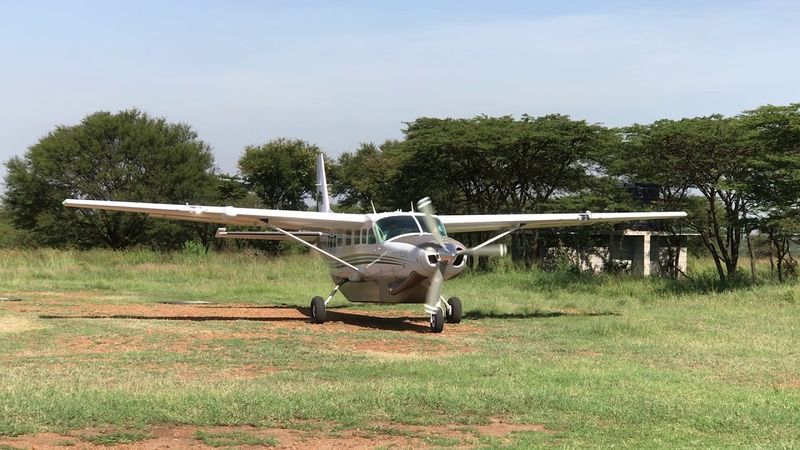
The park can also be reached by air via scheduled charter flights from Julius Nyerere international airport in Dar-es-Salaam directly to Arusha airport. Serengeti national park is served by several airstrips in different sectors of the park including the central Seronera airstrip; Klein’s airstrip serves &Beyond Klein’s Camp and the adjacent Grumeti and Loliondo game reserves. Kogatende airstrip serves the northern corridor for those intending to witness the Mara River crossings between July and October. Kusini airstrip serves Sanctuary Kusini Camp and Maswa Game Reserve in the Southern Plains.