


Moremi Game Reserve, in the eastern part of the Okavango Delta, Botswana, was named after Chief Moremi III of the BaTawana people. It was established in 1963 as a game reserve by the local community under the leadership of Chief Moremi’s widow, Queen Elizabeth Pulane Moremi. Before, Moremi was regarded as a hunting ground but the chief’s wife recognised the urgency of protecting the wildlife in the area. Moremi Game Reserve is the larger part of Okavango Delta UNESCO World Heritage Site covering areas like Mopane Tongue and Chief’s Island.
Flora in Moremi Game Reserve
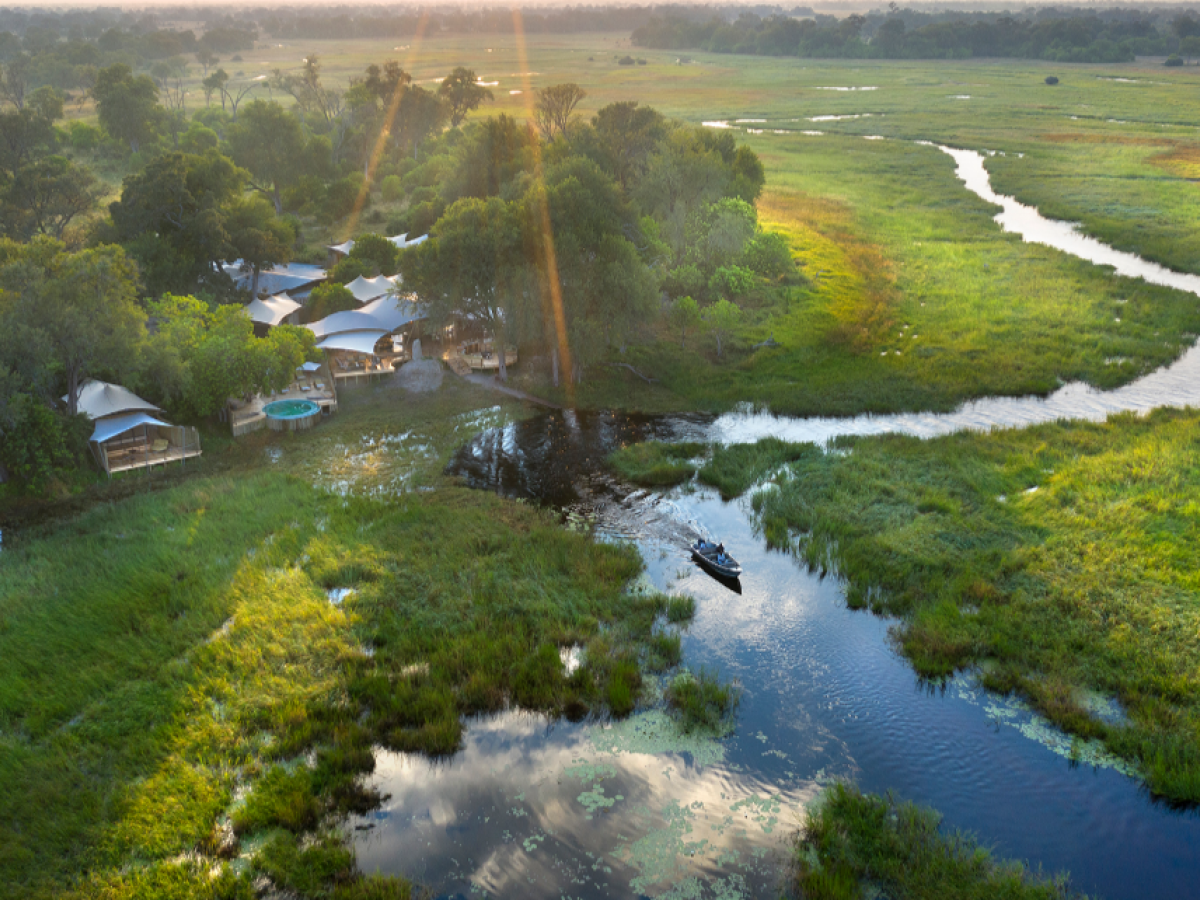
Moremi Game Reserve features a mix of vegetation cover for instance, seasonal floodplains, riverine forests, lagoons, dry woodland, savanna vegetation, and swamps. The floodplains and swamps are covered with papyrus, reeds and water lilies. These plants create a dense cover to the Okavango delta. The riverine forests feature trees like jackalberry, sausage trees, fig trees, and wild date palms which offer shade and food for animals. The dry woodlands are mainly composed of mopane trees which provide food to elephants and other herbivores. The acacia trees and lead woods are also common in the savannah zones.
Fauna in Moremi Game Reserve
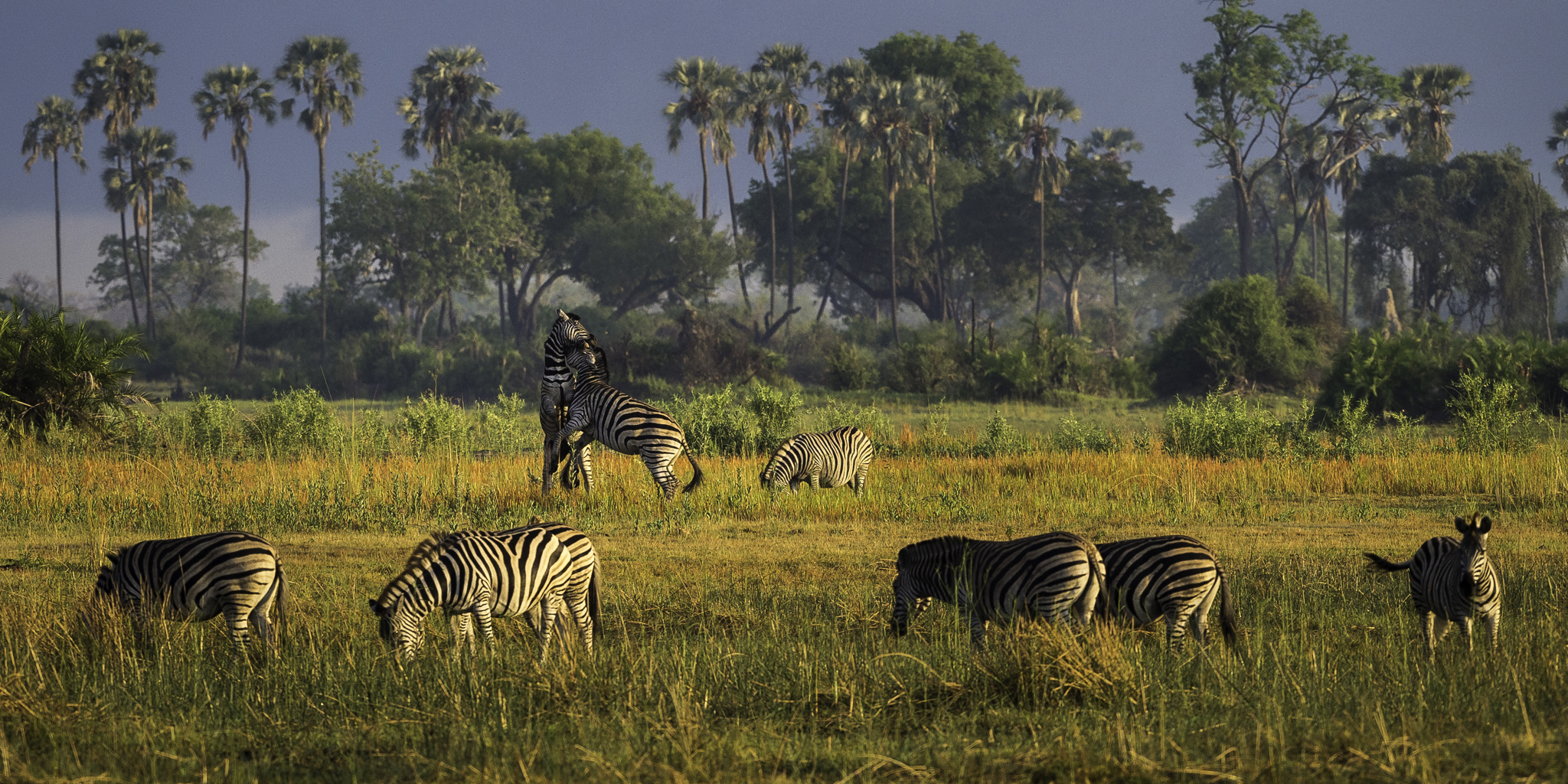
Moremi Game Reserve is a home to big fives with elephants, buffaloes, lions, leopards and rhinos. The reserve is famous for large herds of African elephants and rare African wild dogs. Other mammals include; impala, lechwe, tsessebe, kudu, reedbuck, giraffes, plain zebras, wildebeests, steenbok, duiker, common warthogs, Hippos, crocodiles, cheetahs, spotted hyenas, black backed jackals, cape wild dog, civets, genets, porcupines and bush babies. Moremi is a home to more than 400 bird species including the migratory birds. Some of these birds include; fish eagles, wattled cranes, bee-eaters, and kingfishers.
Activities in Moremi Game Reserve
Game drive
This is one of the most rewarding activities where one can explore the biodiversity of Moremi Game Reserve. Game drives are conducted in 4×4 open safari vehicles and take place in the morning and late afternoon when the temperatures are cooler and wildlife is more active. These game drives are particularly done around areas of Xakanaxa Lagoon, Third Bridge, and Khwai River. Both morning and evening game drives offer an opportunity to spot the big five i.e. elephants, lions, buffaloes, leopards, and rhinos as well as wild dogs, jackals, spotted hyenas, giraffes, African painted wolves, cheetahs, zebras and antelope species. In addition to mammals, game drives also offer opportunities for bird watching for species like martial eagle, heron, egrets, wattled cranes among others.
Bird watching
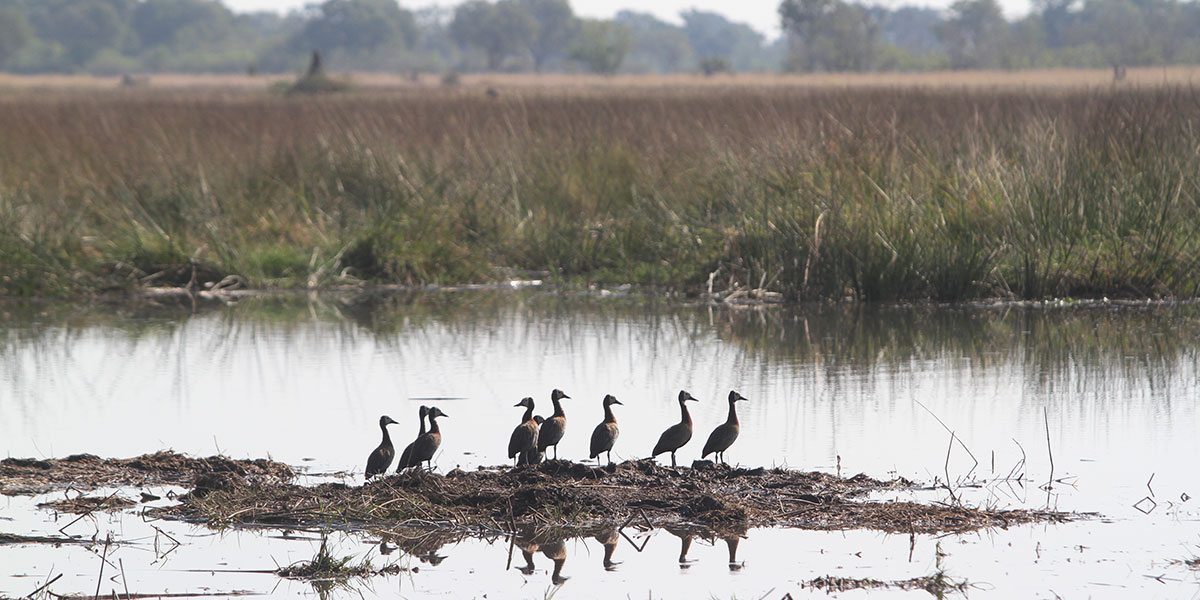
Moremi Game Reserve is a home to over 450 bird species including the migratory birds. Some of these birds include; African fish eagle, wattled crane, southern ground hornbill, slaty egret, Pel’s fishing owl, African skimmer, kingfishers, bee-eaters, cuckoos, herons, storks, jacanas, and a variety of ducks and geese. These birds can be spotted during game drives, nature walks and mokoro rides. Bird watching can be done throughout the year, but it is especially productive during and after the rains, when the wetlands are full and birds are actively breeding.
Mokoro experience
The mokoro experience in Moremi Game Reserve offers a chance to explore the Okavango Delta waterways. A mokoro is a traditional dug-out canoe made of fiberglass that floats through papyrus lined channels. The activity is led by skilled polers giving visitors a close look at animals like hippos, crocodiles, elephants, buffaloes, and many water birds. Mokoro safaris take place in the Khwai community at the edge of the reserve where travelers can reach the floodplains and waterways with reeds. The mokoro trip is often joined with other activities like bush walks and nature explorations.
Cultural experiences
Visitors can visit nearby communities, especially Khwai Village on the northeast edge of Moremi Game Reserve. These visits show how local people live and their traditions, as they have lived with wildlife for many years. Guests also enjoy storytelling from elders, sharing tales that have been passed down over the years. Visitors also witness and participate in traditional dance and music performances, which are deeply rooted in communal celebration, rites of passage, and spiritual practices. Other community activities visitors can join include; traditional fishing, crafts making, and plant medicine gathering.
Guided nature walk
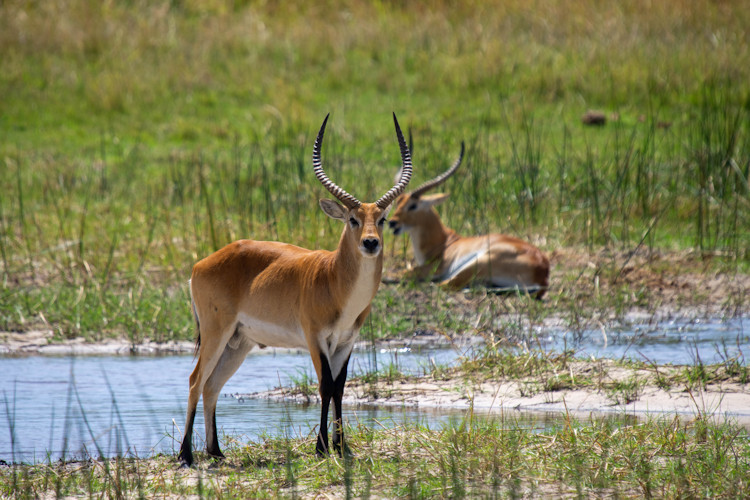
The activity is led by experienced armed guides who take through selected areas of the reserve particularly around the Khwai region and other community managed areas near Moremi where walking is permitted. Guided nature walks explore small parts of the ecosystem, such as insects, plants, bird nests, and how animals behave. The guides share their deep knowledge about these species. Animals can be spotted during nature walks like elephants, antelopes among others.
Best time to visit Moremi Game Reserve
The best time to visit Moremi Game Reserve is in the dry season from July to October. However the wet season from November to April is ideal for birdwatching as the vegetation transforms to lush green which attracts migratory birds. Also around this time may animals give birth. However, dense vegetation can make it harder to spot wildlife, and certain roads may become challenging to navigate. The months of May and June offer a good balance with fewer visitors and mild weather.
Accommodation in Moremi Game Reserve
Accommodation in Moremi Game Reserve ranges from luxury lodges to simple camping facilities catering to different budgets and travel styles. Some of these facilities include; Chief’s Camp, Camp Xakanaxa, Camp Moremi, Mombo Camp, Skybeds, Sable Alley, Tawana Camp, Belmond Khwai River Lodge and Okuti Camp.